Toronto Electrical Repairs for Efficient and Lasting Results
Toronto Electrical Repairs for Efficient and Lasting Results
Blog Article
Standard Electric Problems and The Way an Electrician Can Help
Electrical problems can manifest in diverse ways, often pointing to underlying problems. Common indicators consist of frequent circuit breaker trips, dimming lights, and hot outlets. These manifestations may indicate taxed circuits or damaged wiring, which pose safety risks. Comprehending these issues is vital for maintaining a safe home space. An electrician's skill can offer clarity and solutions. What steps can homeowners take to resolve these concerns productively?
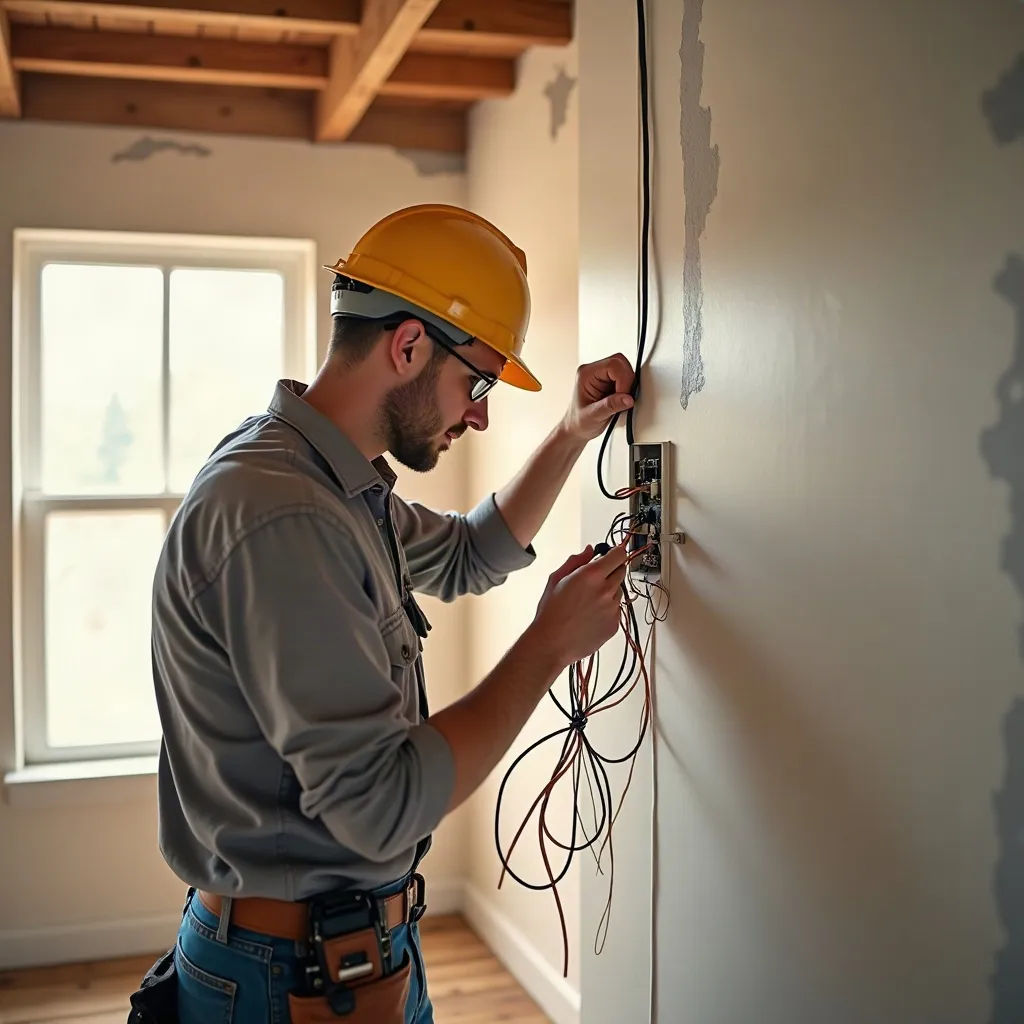
Frequent Signs of Electrical Malfunctions
How can property owners identify wiring issues before they worsen? Property owners should be attentive for specific signs suggesting potential wiring problems. Frequent tripped circuit breakers can signal overloads or defective electrical work. Additionally, strange smells, such as scorched, may suggest hot conductors or insulation. Flickering or flickering lights, especially when several light sources are affected, can suggest an unstable electrical supply. Moreover, receptacles that feel warm to the touch or appear discolored could reveal a critical electrical problem. Property owners should also be aware of buzzing sounds from outlets or controls, which may indicate improper installation or defective parts. Finally, if appliances often malfunction or if the home's electrical system seems old-fashioned, it might be time to consult a expert. Identifying such indicators early can avoid greater issues and guarantee the safety and functionality of the property's electrical infrastructure.
Blinking Lights: Recognizing the Risks
Blinking lights represent substantial hazards within a home, often functioning as a indicator of underlying electrical issues. This event could suggest loose wiring, which may lead to arcing, a perilous condition where electricity jumps between wires. Such arcing might produce overheating and could potentially lead to electrical fires. In addition, flickering lights could indicate an overtaxed circuit, where excessive current is being drawn, risking damage to appliances and the electrical system itself.
Property owners may also face regular disruptions in their illumination, which can result in decreased visibility and heightened danger of incidents. Ignoring flashing illumination can worsen these issues, leading to more serious electrical failures. Engaging a professional electrical expert is crucial to diagnosing and fixing the root cause of unstable lighting, ensuring protection and returning reliable electrical service. Immediate action to this issue can prevent serious hazards and safeguard both property and residents.
Learning About Electrical Trips
Grasping how circuit breaker trips occur is crucial for homeowners facing electrical issues. A circuit breaker functions as a safety device, engineered to stop electrical flow when it senses an overload, short circuit, or ground fault. These interruptions avoid potential hazards, such as electrical fires or equipment damage.
When a circuit breaker activates, it indicates that the electrical system is undergoing an imbalance. Typical reasons include circuits with excessive load from too many devices, faulty wiring, or malfunctioning appliances. Homeowners should observe the particular circuit breaker that trips frequently, as this can help determine the source of the problem.
Fixing a triggered breaker may seem straightforward, but repeated trips reveal an underlying issue that needs professional attention. A electrical professional can identify the problem, ensuring your home's electrical system runs securely and efficiently. Learning about these disruptions protects your property and boosts overall electrical safety in your residence.
Actions to Consider When Outlets Stop Working?
When power outlets stop working, it can interrupt everyday routines and lead to frustration. People may want to check whether the breaker has tripped, as this is a typical cause. If the breaker is intact, examining the electrical socket for obvious signs of deterioration is advisable. Faulty connections or burnt marks may point to a serious problem.
Following that, testing the outlet with a different device can help ascertain whether the malfunction lies with the outlet or the appliance. If various outlets in the same area are not functioning, the issue may be stemming from wiring or a GFCI outlet that requires a reset.
In the event that these basic troubleshooting measures do not remedy the problem, it is prudent to contact a licensed electrician. They possess the proficiency to diagnose and fix electrical issues with care, ensuring that the home's electrical system functions effectively and circumvents potential hazards.
The Problems Associated with Overextended Circuits
Overloaded circuits generate major dangers in power networks, typically stemming from heavy use of outlets and devices. Detecting the red flags of overloading, including common tripped breakers or flickering lights, is essential for safety. Utilizing sound prevention strategies can help reduce these hazards and guarantee a reliable electrical infrastructure.
Sources of Maxed Out Circuits
A considerable number of households encounter difficulties resulting from overloaded circuits, which can result in critical electrical hazards. Overloading usually occurs when too many devices consume electricity from a single circuit, exceeding the circuit's limit. Common causes encompass the use of multiple high-wattage appliances, such as space heaters and microwaves, at the same time on the same circuit. Additionally, outdated wiring systems may not accommodate modern electrical demands, contributing to overloads. Poorly placed extension cords and power strips can further worsen the issue by distributing power unevenly. Moreover, a insufficient knowledge about electrical ratings among homeowners often leads to inadvertent overuse of circuits, raising the risk of overheating and potential fire hazards. Proper circuit management is vital for safety and efficiency.
Warnings of Overloading
Understanding the markers of overloaded circuits is essential for upholding electrical safety in a home. Common signals include multiple circuit breaker trips, which suggest that the electrical demand exceeds the circuit's capacity. Dimming or flickering lights can also indicate overload, as they may struggle to receive adequate power. Additionally, outlets that feel warm to the touch or emit a burning smell pose serious risks, indicating potential overheating. Inconsistent performance of electrical devices may further point out the issue, suggesting that they are not receiving stable power. Homeowners should pay attention to these signs, as ignoring them can lead to more severe electrical problems, including potential fire hazards. Prompt assessment by a qualified electrician is vital for addressing overloaded circuits effectively.
Prevention Strategies Available
To reduce the hazards of overloaded circuits, homeowners can adopt several practical prevention strategies. First, they must verify that the total power output of appliances stays within the circuit’s capacity. Using power strips equipped with built-in circuit breakers offers additional protection from overloads. It is crucial to regularly inspect electrical cords for wear and tear, since damaged cords increase resistance and the chance of overheating. Moreover, spreading electrical loads across multiple circuits helps avoid overloading any single one. Homeowners should also refrain from daisy-chaining multiple extension cords, as this significantly raises the overload risk. In conclusion, consulting a licensed electrician for a detailed inspection of the home’s start here electrical system can deliver customized solutions and safety advice.
How Does an Electrician Diagnose Electrical issues?
Identifying power problems demands a systematic process that merges technical knowledge with sharp attention. Electricians begin by gathering information from the customer, noting symptoms like flickering lights or tripped breakers. They often perform a visual inspection of the power panel, receptacles, and wiring to spot any clear problems, including damaged insulation or disconnected links.
Next, electricians use specialized tools, such as multimeters and circuit testers, to measure voltage, current, and resistance levels. This helps in pinpointing the exact location of the fault. They may also check for ground faults or short circuits, which can cause significant hazards. Throughout the process, electricians adhere to safety protocols to guarantee their own protection as well as that of the property. By methodically eliminating potential causes, they can accurately diagnose the problem, allowing for effective repairs and returning safety in the electrical system.
Prevention Approaches for Electrical Protection
Preventive tactics for electrical protection are indispensable in minimizing threats related to electrical systems. Consistent evaluations, circuit breaker maintenance, and safe wiring practices can greatly enhance the stability and security of electrical installations. Executing these techniques helps in spotting latent hazards before they escalate into serious problems.
Standard Electrical Evaluations
Routine electrical inspections serve an essential function in maintaining safety and efficiency within homes and businesses. These inspections help discovering potential hazards, including frayed wires, overloaded circuits, and outdated equipment. By detecting issues early, property owners can prevent expensive repairs and maintain compliance with safety regulations. Certified electricians perform thorough evaluations, checking connections, grounding systems, and load capacities. They also evaluate the overall condition of electrical panels and devices, offering advice for required upgrades or repairs. Regular inspections not only boost safety but also enhance energy efficiency, lowering utility costs in the long term. Ultimately, investing in these routine checks provides peace of mind, knowing the electrical system functions effectively and safely.
Circuit Breaker Service
The maintenance of electrical breakers plays a crucial role in guaranteeing both electrical safety and consistency in any property. Routine maintenance helps avoid unexpected power failures and decreases the risk of electrical fires. Owners of properties should periodically look for wear indicators such as rust or discoloration and verify the breaker panel is clear of dust and debris. It is essential to test the breakers by periodically resetting them to confirm they work properly. Additionally, consulting a qualified electrician for routine inspections can identify potential issues before they escalate. Effective labeling of breakers facilitates quick access in emergency situations. Adopting these safety measures lengthens the durability of circuit breakers and supports a safer home environment for inhabitants.
Safe Wiring Practices
Ensuring secure wiring procedures is vital for minimizing electrical dangers in any setting. Proper installation techniques, including the use of the proper wire gauge and securing all connections, play a significant role in preventing overheating and electrical fires. Additionally, following local building codes and regulations is mandatory for compliance and safety. Regular inspections help identify potential problems, such as frayed wires or loose connections, before they develop into serious issues. Using quality materials and components ensures longevity and reliability. Furthermore, hiring professional electricians for installations and repairs is advisable, as their expertise significantly decreases risks related to improper wiring. By applying these practices, individuals can improve safety and efficiency in their electrical systems.
Regularly Posed Questions
How Often Should I Arrange Checks for My Electrical Wiring?
Property owners should have their wiring examined every three to five years. Routine checks help identify possible problems early, ensuring safety and optimal performance, while also extending the lifespan of the electrical infrastructure overall.
Is It Possible to Manage My Own Electrical Repairs Safely?
While some minor repairs may be tried, it is typically risky for individuals without proper training to conduct electrical work. Licensed electricians possess the expertise and tools necessary to ensure safety and adherence to codes.
What Are the Red Flags of Obsolete Wiring?
Indications of aging electrical systems display multiple breaker failures, unstable lighting, blackened outlet covers, a singed odor, and the manifestation of traditional outlet types. These signals often suggest the need for an electrical modernization for safeguarding.
How Can I Prevent Power Fires in My Home?
To avoid fire hazards from electricity, one should regularly inspect electrical systems, avoid overloading circuits, use proper wattage bulbs, set up smoke detectors, and guarantee appliances are in proper working order. Routine professional inspections greatly enhance safety in the home.
What Skills Should I Look for in an Electrician?
When selecting an electrician, one must prioritize certifications, licenses, and experience. Additionally, checking references and confirming familiarity with local codes and safety standards can help guarantee quality work and reliability in electrical services.
Report this page