Why Homeowners Trust Philadelphia Electrical Contractor for Electrical Work
Why Homeowners Trust Philadelphia Electrical Contractor for Electrical Work
Blog Article
Professional Electrical Contractor for Reliable Setups and Repairs
Within the sphere of electrical work, a talented contractor serves a essential role in ensuring both trustworthy installations and repairs. Their knowledge not only guarantees adherence to safety standards but also fosters a sense of trust with clients. By evaluating critical qualities, such as experience and verbal skills, one can identify the right professional for the job. Understanding these factors can greatly impact the success of any electrical project, prompting further exploration into the selection process.
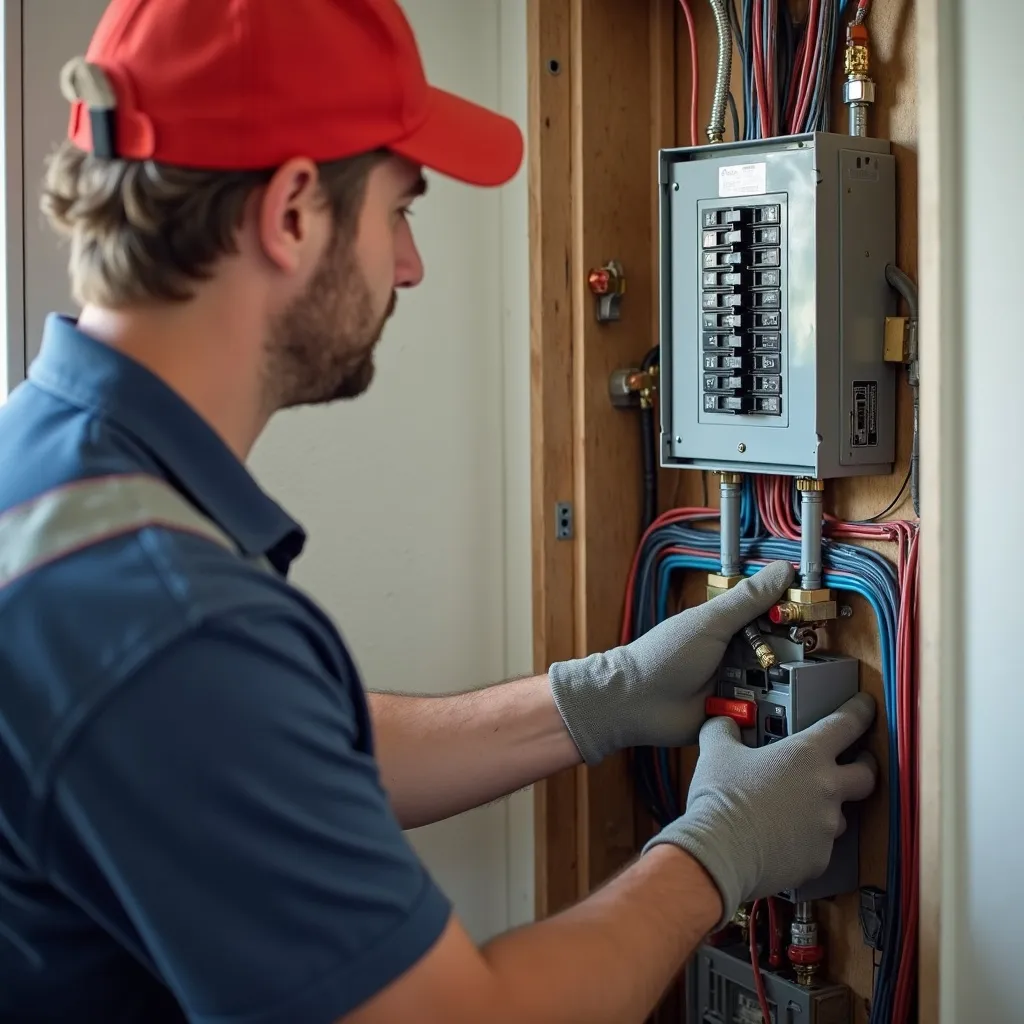
Vital Characteristics of a Honest Electrical Contractor
When determining an electrical contractor, it is critical to identify the fundamental qualities that establish trustworthiness. A solid contractor must maintain proper licensing and insurance, upholding alignment with local regulations and protection against potential liabilities. Experience in the field is another key factor; experienced specialists are more adept at handling diverse electrical problems and grasping complex systems.
Additionally, strong interpersonal talents are critical, allowing contractors to walk through procedures and handle client concerns distinctly. A trustworthy professional also demonstrates integrity, supplying clear cost breakdowns and avoiding surprise fees. Moreover, excellent reviews and recommendations from previous customers can operate as signs of reliability and outstanding quality. Finally, a drive for professional development indicates a contractor's dedication on maintaining knowledge of evolving industry standards and innovations, which is crucial for providing safe and competent electrical solutions. These qualities collectively form the foundation of a trustworthy electrical contractor.
How can You determine if Your Electrician Is competent?
Validating an electrician's skills is an essential step in ensuring quality and safety in electrical projects. First, homeowners should demand to view the electrician's certification, which demonstrates they adhere to local and regional requirements. Confirming insurance is just as important, as it shields homeowners from legal responsibility in the event of accidents. Besides, seeking certifications from reputable bodies can reveal advanced training and capability.
Property owners can also inquire about the electrical expert's background in specific kinds of electrical work pertaining to their requirements. Checking client feedback and testimonials from past customers offers understanding into the electrician's reliability and expertise. Furthermore, direct communication can reveal the technician's willingness to discuss their qualifications and approach to the job. By following this process, property owners can guarantee they employ a skilled electrical professional capable of delivering secure and efficient electrical solutions.
Why Having Skill Is Crucial for Electrical Contractors
Experience plays a important role in the performance of electrical contractors. A established skill set, compliance with safety compliance standards, and robust problem-solving skills are all hallmarks of seasoned professionals. These traits not only enhance the work quality but also guarantee a protected environment for clients.
Confirmed Expertise
A knowledgeable electrical professional delivers an broad collection of knowledge that substantially influences the safety and quality of electrical undertakings. Their established expertise incorporates a broad spectrum of proficiencies, including troubleshooting, setup, and care of power systems. Skill permits them to swiftly spot issues and apply effective remedies, curtailing service interruptions and ensuring optimal operation. Furthermore, veteran service providers are familiar with the latest technologies and sector innovations, enabling them to provide contemporary approaches adapted to unique client needs. Their field-based knowledge also equips them with the technical proficiency essential to handle stringent electrical regulations and compliance standards. In conclusion, a experienced electrical specialist strengthens the reliability of repairs and installations, fostering trust and confidence among clients.
Safety Adherence Standards
Navigating the complex landscape of safety compliance standards requires a deep understanding and practical knowledge that only seasoned electrical contractors possess. These professionals are well-versed in local, state, and national regulations, ensuring that all installations and repairs adhere to the highest safety protocols. Their experience allows them to foresee potential hazards and implement preventative measures effectively. Moreover, familiarity with industry standards, such as the National Electrical Code (NEC), is essential for maintaining compliance and safeguarding lives. An skilled electrical contractor not only prioritizes safety but also conducts thorough inspections to identify any discrepancies. This commitment to compliance not only reduces risks but also enhances the longevity and reliability of electrical systems, ultimately benefiting clients and the broader community.
Solution-Finding Mastery
Handling intricate electrical challenges requires keen problem-solving skills that seasoned electrical contractors provide. Their extensive expertise enables them to quickly diagnose issues and implement efficient solutions, reducing downtime and maintaining safety. Compared to less experienced contractors, they have dealt with a variety of situations, allowing them to foresee likely obstacles before they occur. This foresight leads to smooth project execution and lower costs for clients. Moreover, their knowledge of various systems and technologies allows them to adjust to changing industry standards efficiently. Ultimately, the problem-solving skills of experienced electrical contractors not only improve the quality of installations and repairs but also build faith and reliability in their services. Experience is undoubtedly a valuable advantage in this profession.
Why Direct Pricing Is Necessary
Why is straightforward pricing significant in the electrical contracting industry? Honest pricing develops credibility between providers and customers, delivering clarity in cost projections. When clients obtain detailed estimates that break down labor, materials, and possible extra fees, they can decide confidently without the anxiety of hidden costs. This transparency nurtures a favorable working dynamic and supports repeat business.
In addition, transparent rate structures permits customers to weigh offerings proficiently, enabling them to choose contractors who extend equitable and forthright rates. It minimizes misunderstandings and disagreements, accelerating the initiative workflow. A reputable electrical contractor who practices forthright pricing illustrates diligence and accountability, reinforcing their commitment to superior service. At the end of the day, openness in rates not only enhances customer satisfaction but also contributes to a contractor's reputation in a competitive market, advancing to lasting success.
What to Anticipate During the Electric Contracting Process
During the electrical contracting process, clients can anticipate a structured approach that begins with an initial consultation. This meeting gives the opportunity to the contractor to review requirements and discuss potential solutions. Following this, the repair and installation steps are implemented with careful consideration and safety compliance.
Beginning Review Process
What can one anticipate when starting the electrical contracting procedure? The initial consultation serves as a critical step for both the client and the contractor. During this meeting, the contractor reviews the client's requirements, goals, and any particular requirements for the project. They will evaluate the site, identifying potential obstacles and opportunities. Clients should be prepared to ask questions about schedules, costs, and the contractor's qualifications. The contractor typically provides insights into the latest technologies and solutions that match with the client's vision. This stage often includes detailed discussions about adherence with local rules and safety standards. Ultimately, the initial consultation lays the groundwork for a clear working relationship, ensuring both parties are on the same page before proceeding.
Installation and Service Procedures
Once the initial consultation is complete, the installation and repair process initiates with a thorough assessment of the project demands. The electrical contractor reviews existing systems, finds potential issues, and plans a plan that outlines necessary materials and timelines. Following this assessment, the contractor secures any required permits and licenses to maintain compliance with local regulations.
Next, the setup or maintenance work is performed, which may include wiring, light fixture setup, or system enhancements. Throughout the process, the contractor maintains open communication with the client to resolve any issues. After finishing, a concluding review verifies that everything adheres to safety standards and functions correctly. The contractor offers instruction on upkeep and usage, ensuring the client has confidence in their electrical system.
Developing Dependability With Your Electrical Contractor
Building confidence with an electrician is crucial for guaranteeing a positive project outcome. This relationship fosters open communication, allowing clients to express their requirements and worries while contractors offer expert guidance and transparent pricing. A contractor's reputation plays a vital role; confirmed qualifications, positive reviews, and past project recommendations can greatly influence a client's trust.
In addition, setting well-defined expectations regarding timelines, costs, and responsibilities fosters a base of trustworthiness. Regular updates during the project can strengthen trust, as clients feel informed and included.
Additionally, a trustworthy contractor will be forthright about potential issues and answers, exhibiting integrity and professionalism. Ultimately, building trust not only produces better collaboration but also guarantees that the electrical work is completed to the highest levels, guaranteeing safety and satisfaction for all parties involved.
Common Posed Inquiries
What Kinds of Electrical Services Do Contractors Typically Provide?
Electrical contractors typically provide services including wiring installations, circuit repairs, lamp design, panel updates, troubleshooting, and maintenance. They also handle safety audits, energy evaluations, and can facilitate green energy installations, ensuring compliance with regulations.
What Can I Do to Prepare for an Electrician's Appointment?
To prepare for an electrician's visit, one should remove clutter from the workspace, ensure easy access to outlets and panels, collect pertinent paperwork, and compile particular concerns or inquiries to go over during the appointment.
What Safety Requirements Do Electrical Contractors Observe?
Electrical contractors adhere to strict safety measures, including such as wearing personal protective equipment, guaranteeing correct tool application, complying with electrical standards, performing hazard evaluations, servicing tools and apparatus, and implementing lockout/tagout procedures to avoid unintended power activation during work.
Do Electrical Contractors Maintain Insurance and Bond Protection?
Yes, electrical contractors are usually insured and bonded. This guarantees assurance against exposure and damages during assignments, providing clients with comfort and shielding both parties involved in the contractual agreement.
What Actions Should I Take for Electrical Issues?
During read this article electrical emergencies, you should immediately turn off the power, keep away from water, and contact a certified electrician. Keeping calm and protecting yourself is essential before skilled support reaches you to handle the issue.
Report this page